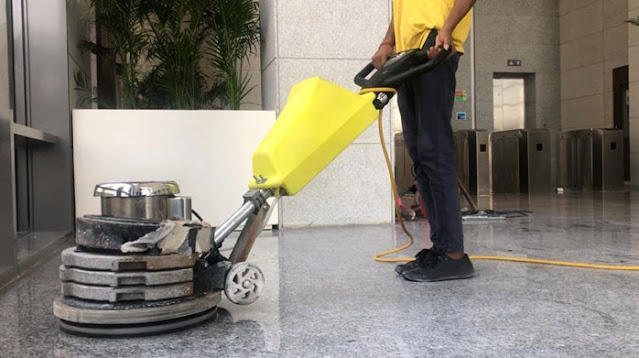
You just bought your dream house and pulled up the carpet in the den. What you find underneath is a pleasant surprise - hardwood floor. You decide that you want to preserve the hardwood floor and want to do the work yourself. It is a big job but one that can be very rewarding. One of the biggest jobs in making hardwood floors look their best is sanding hardwood floor.
Prepping Your Floor for Sanding
Before you can begin the process of sanding hardwood floor, you must prepare the floor by filling in cracks and gaps in the wood. Deciding which gaps and cracks to fill is a subjective decision. Remember to keep in mind that wood swells in higher humidity so if you are sanding during a time of high humidity any cracks or gaps you find will only be bigger in times of lower humidity.
Also, be sure to seal off the room you will be working in as the dust and dirt will be stirred up as you work. You can either just keep the door to the room shut as you work or hand plastic in any openings to keep the dust from infiltrating the rest of your house.
Oscillating Sander vs. Drum Sander
Choosing the correct sander for the job can be very important. An oscillating sander is ideal if you determine that your floor only needs to have a layer of finish removed and it is not badly scratched or dented.
A drum sander is a more serious piece of equipment and should be used only if sanding hardwood floor involves removing paint or stain and the boards are cupped or warped. Be careful when using any sander not to stay in one place too long as you will leave swirl marks or indentations in the hardwood floor.
Plan Before You Sand
The task of sanding hardwood floor can normally be done in a weekend if you plan ahead. Be sure to have all furniture out of the room before you begin. It might be a week or more before the floor is ready for the furniture to come back so make sure it is out of the way. Also make sure that the sander you will use will be available to be rented on the day you need it. Sanding hardwood floor can be very rewarding. With a little bit of planning you can complete a successful project that you can enjoy for many years to come.
In many cases, refinishing your hardwood floors will increase the value of your home, not to mention, adding a style and flair to your home decor while you're there. Find out more at http://www.refinishinghardwood.com
Sunday, June 22, 2008
Discovering Buried Treasure - Sanding Hardwood Floor
Friday, June 20, 2008
The Importance of Sanding Hardwood Floors

Many of those who are into restoring hardwood floors would say that sanding is the hardest (even the most unpleasant) part of the process but also the most satisfying one. They have come to realize the importance of sanding hardwood floors.
Even though sanding hardwood floors is a laborious process, this part of the restoring process is the one that can give your flooring that elegant look. And if you are looking to sand your hardwood floors, the job doesn't really have to be unpleasant; all that's needed is adequate knowledge on how to do it right.
Be aware that the tools you will need for sanding are not your usual power tools. You'll have to either buy these tools from a hardware shop or rent them from a tool rental company for a few days. Between buying and renting these sanding tools, go with renting. It isn't really cost effective to buy them if you are only going to refinish your hardwood flooring every few years or so.
The sanding tools you'll need are:
-sandpaper with at least three ratings (heavy, light and in between)
-vacuum cleaner
-buffer
-sander
-edger
-masks, goggles, gloves, etc. for dust protection
There is good sanding and bad sanding. It is vital that before you start sanding, you clean the floor thoroughly. There should not be any nails sticking out and the floor must generally be even.
First, you need to apply the heaviest sandpaper. Make sure you run the sander on the floor in even strokes. Take note that this process takes a while and involves expending a lot of energy so be prepared; otherwise, you'd get a bad back ache. When the heaviest sandpaper layer is used up, use the lighter sandpaper on the hardwood flooring next. Finally, use the lightest sandpaper.
The edges and corners of your hardwood flooring are hard to reach areas so you'll have to sand them using a handheld edger.
Be warned that sanding involves dust particles flying all around so be sure to wear protective gear while sanding hardwood floors. In addition, close all vents that connect the room you're working in to the other rooms in the house. The last thing you want is dust throughout the house. Make sure that the only vent on is the one that's connected to the outside of your house. Close the doors in the room where you're sanding and place wet sheets or towels along the doors to keep dust from seeping out.
Niv Orlian is an experienced Home Improvement Adviser who writes articles for his Flooring & Carpet Cleaning online guides.
Visit myflooringhelper.com to learn more about Sanding Hardwood Floors
Subscribe to:
Posts (Atom)